As far back as he can remember, Micone grew up surrounded by hair and the women who shaped his early understanding of beauty and self-expression. His grandmother kept a stylist’s chair, a dryer, and mirrors in the back of her Chicago apartment. She built a clientele of Chicagoans that would come by to get their hair done, often rocking the trend of the time—Jerry curls. Later, his auntie Tina opened her own salon, Ebony’s Image, named after her daughter who passed away in a car accident that Micone himself survived but lost his brother to, as well. Between his grandmother’s at-home salon and his aunt’s business, the foundation of hair as a cultural and entrepreneurial practice was set early in his life.
As a child, Micone wore his hair in Afros, not really experiencing variety until later. Like many Black kids, he absorbed ideas of style from music videos and hip-hop culture. Influences like Kris Kross, with their high-top fades and twists, shaped his early expressions. By middle school, he was asking his mom for twists on top. Eventually, he shifted into waves and sharper cuts, following the aesthetics of Wu-Tang, Busta Rhymes, KRS-One, and others. By high school, a close friend named Norbert began locking his hair, he thought they were fly. Around that time, his uncle encouraged him to consider it as well. The combination of personal examples and cultural icons like Bob Marley motivated Micone to begin his lock journey in the summer after his sophomore year. Unlike many, he started and maintained them himself, teaching his hands patience and discipline.
During his senior year of high school he worked at Northwestern University. While working there he had met a woman with locks who asked him if he knew “Be-ko” whom was a loctician at a salon in downtown Chicago called Tribesmen. He went and ended up getting styled by Shah, who asked him “How long are planning on having these?” before mending his work into bigger parts for added strength at the roots of his crown. He left feeling brand new. The experience was transformative: “I went outside and I felt so different. The wind blew through my hair and the sun shone on my scalp—it was amazing.” From there, he had noted the energy and methodology of the shop and how they cared for peoples’ crowns. He introduced friends to the shop before going off to further his studies at the University of Minnesota Morris.
Micone earned his Bachelors in Statistics and returned home to Chicago during the early 2000s recession. Job prospects were scarce. At the same time, his locks were maturing, and his curiosity about the culture of hair was deepening. Now his friend, Booda has become a loctician and part owner of Tribesmen, so Tribesman became his home too. He learned and began to build a clientele.
Through Myspace, he discovered stylists like Theory Bautista, who pushed creative boundaries with color, updos, and artistry. Inspired, Micone began experimenting, practicing relentlessly until others trusted him with their crowns. This period marked the turning point from personal journey to professional path.
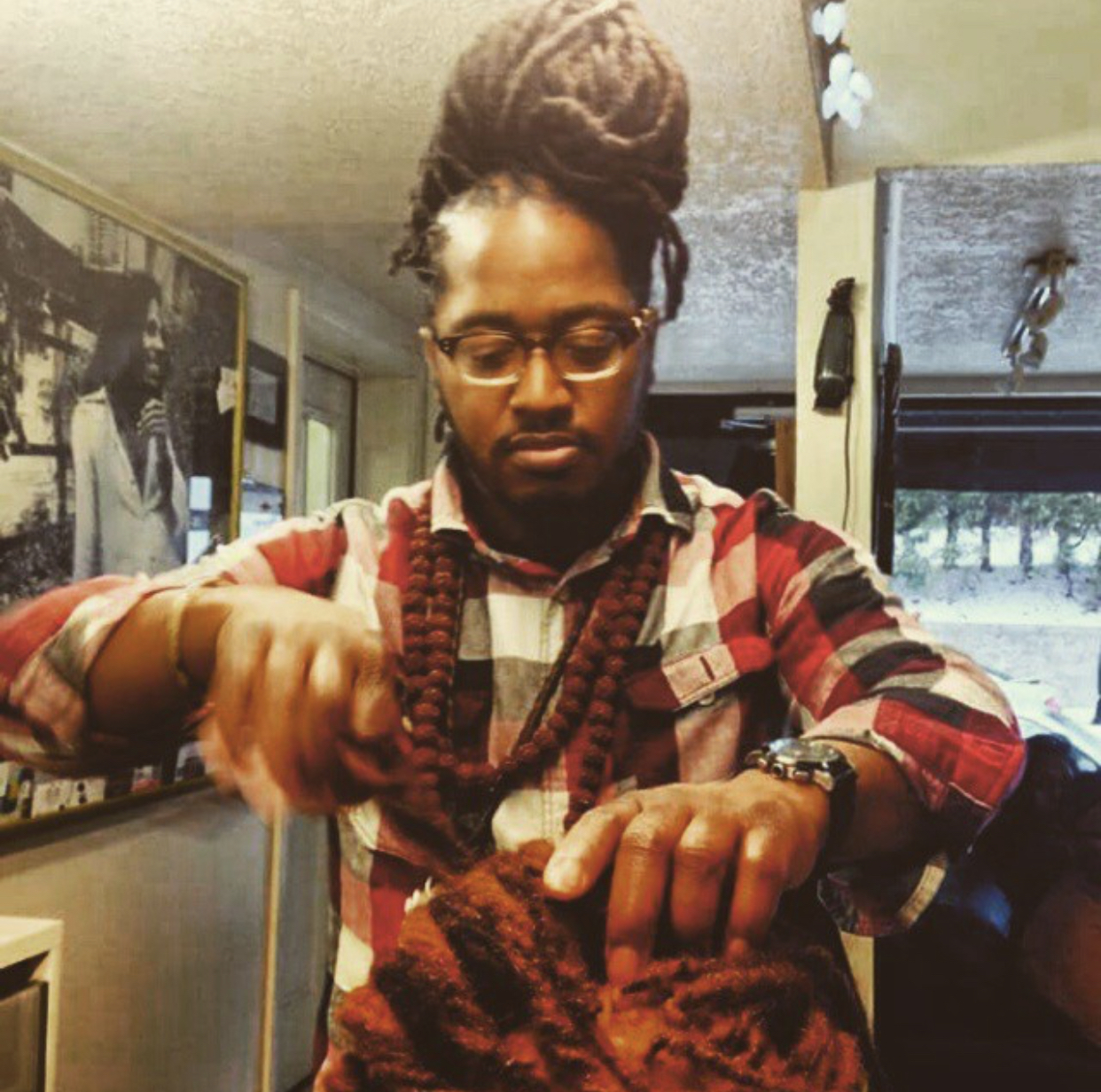
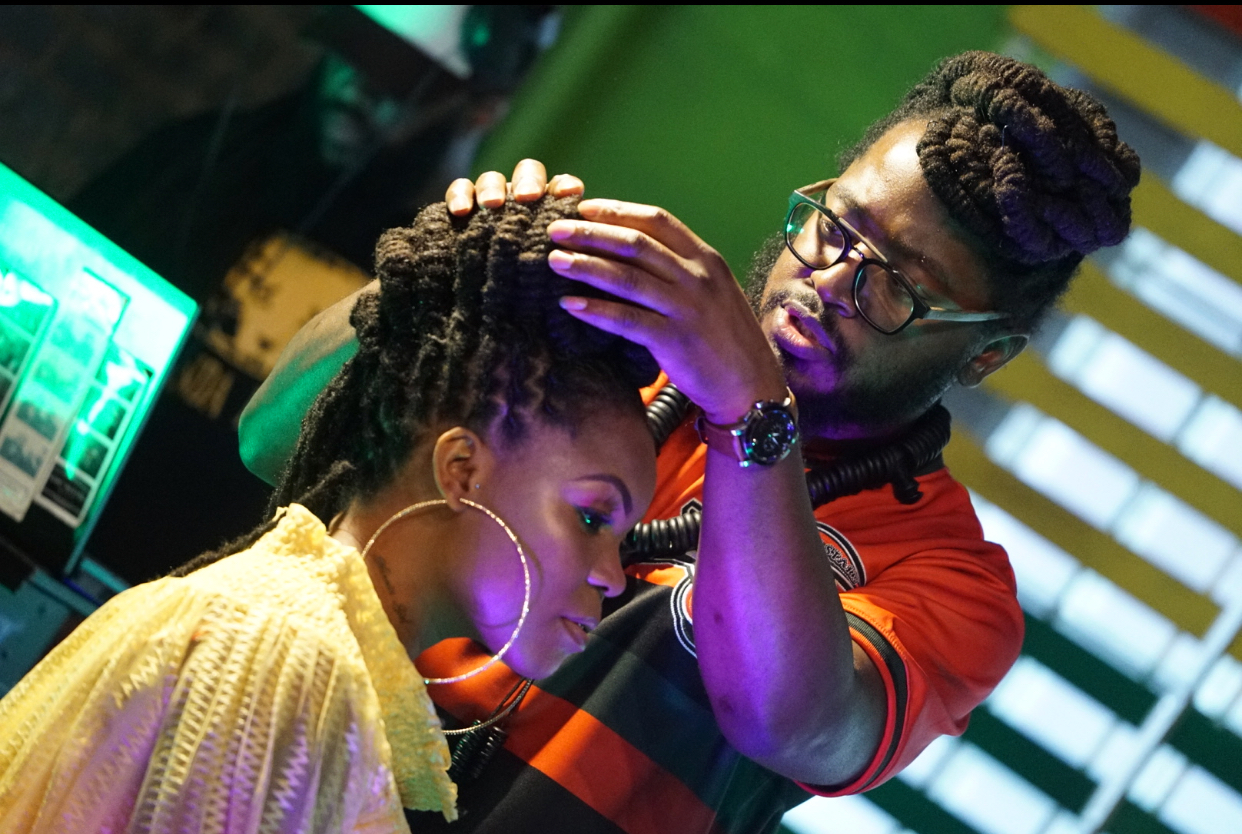
In 2008, alongside his cousin, he co-founded Nature’s Roots in Minnesota. Drawing on years of self-practice and mentorship, he began offering lock care, styling, and artistry in the Twin Cities. His approach was grounded in the pillars of hip-hop—creativity, originality, and building something from nothing. Just as hip-hop transformed culture, Micone used his chair to transform perceptions of Black hair, turning locks into both an art form and a spiritual practice. By 2019, after working in various shops and suites, he established his current salon, From the Roots, on West 7th Street in Saint Paul. Through the pandemic and beyond, he has built a loyal clientele. His clients describe his space as peaceful, safe, and deeply intentional—some even feel comfortable enough to fall asleep in the chair. They note his thorough washes, his use of quality products, and his structured foundation in lock care—elements often missing in today’s quick-turn styling culture.

Micone’s clients return not just for the artistry, but for the energy. His years of hands-on training, mentorship, and cultural grounding separate him from “YouTube University stylists.” His work embodies more than hair—it’s about creating community, affirming identity, and dismantling myths that “Black hair doesn’t grow.”
Through his journey, hip-hop’s spirit remains ever-present. Like graffiti on a wall or a freestyle on a beat, his lock styles are artistic expressions—each crown a canvas. For Micone, doing hair is not just a career; it is a purpose-driven extension of culture, art, and the legacy of the matriarchs who styled before him.
Learn more about Micone’s HipHop related work here